Think about how many times you've typed your email address today. Signing up for a newsletter? Email. Creating a new account? Email. Making an online purchase? Email.
Your email address has become the universal identifier for your digital life. And that's a problem.
The Email Problem
Unlike a username that you can change or abandon, your email address is:
- Permanent - Changing it means updating hundreds of accounts
- Trackable - Companies use it to follow you across the web
- Valuable - Data brokers pay good money for email lists
- Vulnerable - One breach can expose your entire digital footprint
The Real Risks
When you use the same email everywhere, you're creating a comprehensive profile of yourself:
- Shopping habits - Every online store knows what you buy
- Financial activity - Banks, payment apps, and investment platforms
- Social connections - Dating apps, social networks, forums
- Work identity - Professional networks and job applications
- Personal interests - Newsletters, communities, and subscriptions
What Happens When It Leaks?
Data breaches happen constantly. When your email is exposed:
- Spam floods your inbox
- Phishing attacks target you specifically
- Your accounts become vulnerable to takeover
- Your online activity can be cross-referenced and profiled
According to Have I Been Pwned, over 12 billion accounts have been compromised in data breaches. That means your email is probably already out there.
The Solution: Email Compartmentalization
Instead of using one email for everything, use different emails for different purposes:
The Traditional Approach (Still Risky)
- Personal email for friends and family
- Work email for professional matters
- Throwaway emails for shopping
Problem: You're still managing multiple inboxes, and each email is still a permanent identifier.
The Anonime Approach (Better)
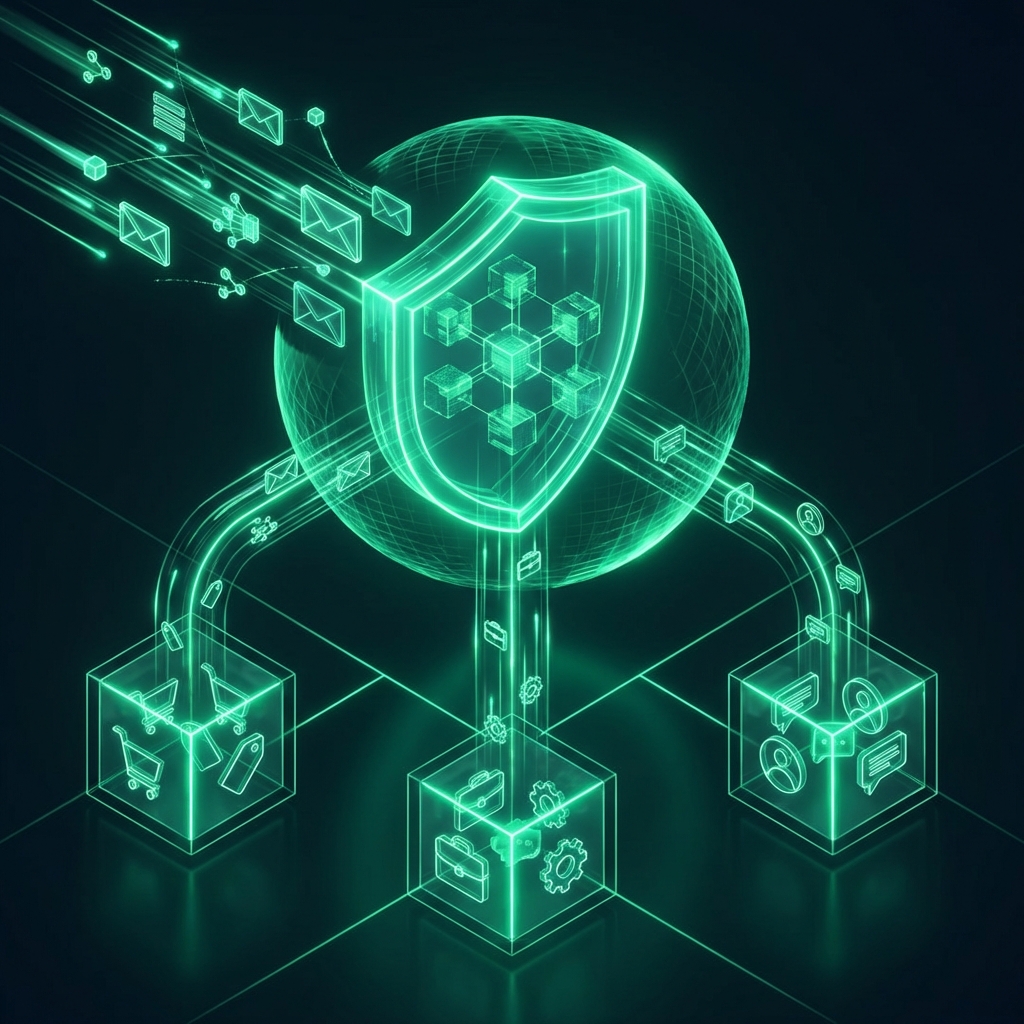
Create nyms (pseudonymous identities) for different aspects of your life:
- Shopping nym - For online purchases and retail accounts
- Social nym - For forums, dating apps, and communities
- Newsletter nym - For subscriptions and content
- Work nym - For professional networking
Each nym gets its own email address, but all emails flow into one secure dashboard.
Why This Matters
Compartmentalization isn't about hiding. It's about control:
- If a shopping site gets breached, only that nym is affected
- If a newsletter gets spammy, delete that nym instantly
- If you're job hunting, use a professional nym that can't be linked to your social media
Practical Steps
Here's what you can do right now:
- Audit your email usage - How many sites have your primary email?
- Identify high-risk accounts - Shopping sites and public forums
- Create compartments - Separate emails for different purposes
- Use anonymous forwarding - Tools like Anonime let you receive email without exposing your real address
The Bottom Line
Your email address is your digital fingerprint. Every time you share it, you're leaving a permanent trace that can be:
- Tracked across the web
- Sold to advertisers
- Stolen in breaches
- Used to build a profile of you
The solution isn't to stop using email. It's to stop using one email for everything.
Ready to compartmentalize your digital identity? Try Anonime free and create unlimited nyms with secure email forwarding.